Plants vs. Zombies 2 World Difficulty Ranking All 11 Worlds from Easiest to Hardest
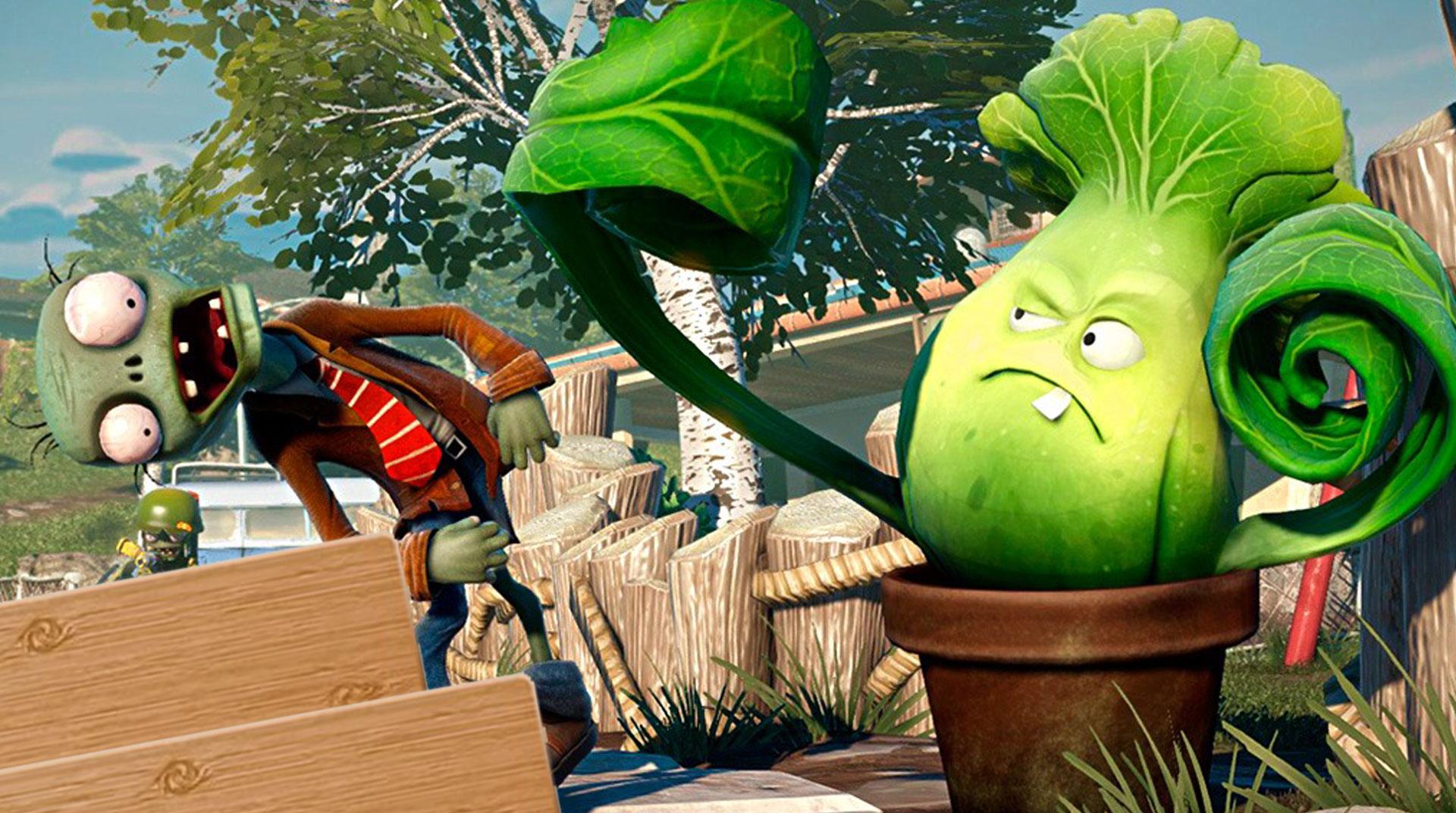

Plants vs. Zombies 2 starts with a simple objective: protect your garden from waves of zombies using different plants. But as you travel through time with Crazy Dave and Penny, the battles become more complicated. Every world introduces new zombies, special gameplay mechanics, and levels that test how well you can build your defence.
Some worlds are fairly forgiving, while others can make you rethink your entire plant lineup. Big Wave Beach is particularly challenging because of its changing tides, while Jurassic Marsh introduces dinosaurs that can disrupt your carefully planned defence.
Here is our ranking of all 11 Plants vs. Zombies 2 worlds, starting with the easiest and ending with the hardest, along with advice on when you should tackle each one.
1. Ancient Egypt – Easiest

Ancient Egypt is where your adventure properly begins, and it is designed to teach you the basics. You face Mummy Zombies, explore tombstone mechanics, and gradually unlock plants that help you build a stronger defence.
Most of the regular levels are manageable because the game introduces new challenges gradually. You have enough time to understand sun production, plant placement, and how different zombies behave. There are harder stages and optional expansion challenges, but the main world is a comfortable starting point.
When to play: Start here. Complete the main levels and collect the available plants before moving to Pirate Seas.
2. Pirate Seas

Pirate Seas adds a little more pressure by changing the battlefield. Zombies arrive from pirate ships, and wooden planks connect their ship to your lawn. This creates a different approach to defending your garden.
You will also encounter enemies such as Barrel Rollers and Swashbuckler Zombies, which can make certain lanes harder to protect. Some levels require you to pay closer attention to where zombies enter and how quickly they reach your plants.It is still a beginner-friendly world overall, but its special mechanics make it more interesting than Ancient Egypt.
When to play: Move here after Ancient Egypt. It is a good place to practise defending against different zombie types.
3. Wild West

Wild West introduces minecart tracks, which give you more flexibility when placing and moving certain plants. This mechanic can be helpful, but it also means you need to think carefully about your positioning.
The world features Cowboy Zombies, Chicken Wranglers, and other enemies that can quickly create problems if left unchecked. Some levels also come with specific objectives that make choosing the right plants important. It is not consistently difficult, but certain stages can catch you off guard, especially when several threats appear together.
When to play: Tackle Wild West after Pirate Seas. Make sure you understand how minecarts work before progressing through its later levels.
4. Frostbite Caves

Frostbite Caves introduce freezing conditions that can affect your plants and make defending the lawn more difficult. Cold temperatures are a major part of the world’s challenge, so choosing plants that can handle these conditions is important.
You will also encounter enemies such as Weasel Hoarders and Troglobites. These zombies can create unexpected problems, especially when your defence is already under pressure. The world has several challenging levels, but it does not have the same concentration of extremely difficult stages as some of the later eras.
When to play: Take on Frostbite Caves after Wild West. Learn how to manage freezing effects before moving forward.
5. Lost City

Lost City is where the difficulty starts becoming more noticeable. Its jungle and temple setting introduces new enemies, including Relic Hunter Zombies and Imp Porters, who can disrupt your formation.
The world also features Gold Tiles, which encourage you to think differently about plant placement and sun management. Some levels require you to protect specific areas or deal with enemies that can quickly overwhelm your defence. Day 30 is particularly challenging, making Lost City a world where a strong understanding of plant abilities becomes important.
When to play: You can begin Lost City once you are comfortable with the earlier worlds, but take your time with its later stages.
6. Far Future

Far Future introduces futuristic zombies equipped with advanced technology. You will encounter enemies that use shields, machines, and other abilities to make your plants’ job harder.
One of the world’s notable mechanics is Power Tiles, which can connect Plant Food effects between plants placed on matching tiles. Used properly, this mechanic can create powerful combinations. However, futuristic enemies can be difficult to handle if you rely on the same basic plant setup throughout every level.
When to play: Play Far Future after Lost City. Experiment with Power Tiles and different plant combinations rather than depending on a single attacker.
7. Dark Ages

Dark Ages changes the usual gameplay by removing natural sun production. This means you need to plan your economy more carefully and rely on sun-producing plants that suit the night-time setting.
Tombstones also appear on the lawn, creating obstacles and giving certain zombies additional protection. Necromancy can bring more enemies into the battle, making it important to clear threats before they build up. The combination of limited sun and tombstone mechanics makes Dark Ages more demanding than it initially appears.
When to play: Save Dark Ages until you have a reliable collection of sun-producing and defensive plants. It rewards careful resource management.
8. Neon Mixtape Tour

Neon Mixtape Tour introduces music-based gameplay mechanics that can change how zombies behave during a level. Different music genres trigger different effects, so the same plant formation may not work equally well throughout a stage.
You will face several unusual enemies, including Glitter Zombies and Hair Metal Gargantuars. Some zombies become more dangerous depending on the music playing, which makes timing and plant selection especially important. The world has several difficult stages, including Day 5 and Day 32. Its challenges are not limited to raw zombie numbers; understanding the music effects is just as important.
When to play: Tackle Neon Mixtape Tour after Dark Ages. Learn the music mechanics before attempting its harder levels.
9. Modern Day

Modern Day brings together enemies and mechanics from different worlds. Instead of introducing only one new type of challenge, it tests how well you can deal with familiar threats in unfamiliar combinations.
Portals can bring zombies from different eras onto the lawn, meaning you need to prepare for multiple enemy types. Some levels also combine mechanics you have already encountered, making your plant selection particularly important. Although it is the final world, its difficulty is not identical across every stage. Some levels are manageable, while others require careful planning and a strong understanding of the game’s mechanics.
When to play: Save Modern Day until you have completed most other worlds and developed a versatile plant collection.
10. Big Wave Beach

Big Wave Beach is one of the most frustrating worlds in Plants vs. Zombies 2, and its changing tides are a major reason why. The water level changes during battles, limiting the spaces where you can place plants. You also need to use Lily Pads to support plants in water lanes.
The zombies make things even harder. Fisherman Zombies can pull plants into the water, Surfer Zombies can destroy plants with their surfboards, and Octo Zombies can disable your defences by covering plants with octopi. Several levels are particularly difficult, including Days 16, 25, and 30. You cannot simply rely on a strong attacking formation; you need to understand the tide system and protect your important plants.
When to play: Leave Big Wave Beach until you have a strong selection of plants and understand how to defend both land and water lanes. It is worth saving for later rather than rushing into it.
Every Plants vs. Zombies 2 world introduces something different, so progressing through them is about more than simply having stronger plants. You need to understand each world’s mechanics and adjust your strategy accordingly. Ancient Egypt and Pirate Seas are good starting points, while Dark Ages and Neon Mixtape Tour require more careful planning. Big Wave Beach and Jurassic Marsh are better left until you have a stronger plant collection and more experience dealing with unusual zombie abilities.
Take your time, experiment with different plant combinations, and do not be afraid to replay difficult levels. Sometimes changing just a few plants in your lineup can make a challenging stage much easier. Play Plants vs. Zombies 2 on PC with BlueStacks and defend your lawn against the zombie invasion.