Three Kingdoms: Card Clash Team Building Guide and Strategic Tips
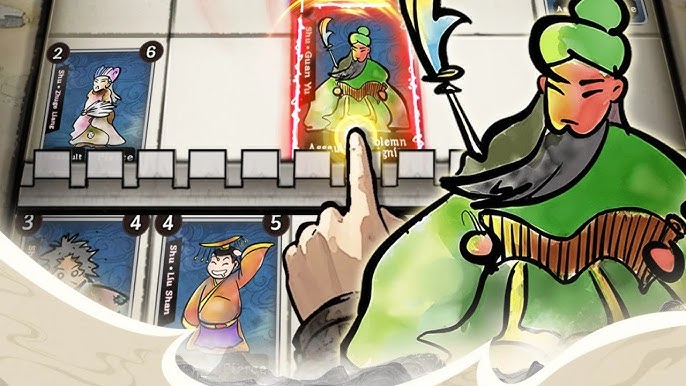
Constructing an efficient and strong team in Three Kingdoms: Card Clash should be your goal in the early. This simple fact might be the factor that separates you from the privilege of trudging down the enemy walls or staring at your lineup disintegrating in front of you without even coming to the city gates. Since every faction is giving off its own aura of power and every hero is bringing in his unique abilities, it can initially be very confusing to figure out the right combination heroes. Don’t worry, as this team building guide helps you to understand the concepts of strong, dependable teams right on your fingertips!
Understanding Team Roles in Three Kingdoms: Card Clash
Every successful deck needs variety. While the Three Kingdoms setting is filled with iconic warriors, these warlords cannot win battles alone. Your team should combine frontline durability, rear-line support, tactical control, and at least one source of sustained or burst damage. When choosing heroes for your deck, consider these core roles:
- Frontliners – These heroes absorb damage, hold chokepoints, and protect your ranged or fragile heroes. Heroes like Zhang Fei, Dian Wei, Xu Chu, and even Huang Gai serve this purpose well.
- Damage dealers (DPS) – They are responsible for eliminating threats quickly. Zhao Yun, Taishi Ci, Zhou Yu, Sima Yi, and Lu Xun fit this category.
- Supports – Support heroes either sustain your team, restore health, improve survivability, or boost stats. Diao Chan, Guo Jia, and Xun You are examples.
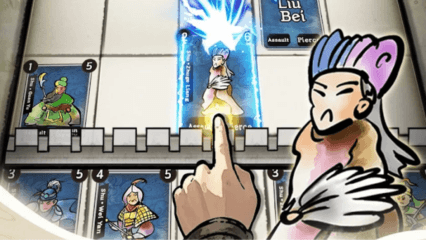
- Tacticians – Want to disable your enemies? Tacticians apply crowd control, battlefield manipulation, or special effects that help you outplay opponents. Zhuge Liang and Sima Yi shine here, as they enhance your decision-making potential.
- Summoners like Liu Bei give your lineup additional bodies on the battlefield, making it harder for your opponent to break through.
Building around Different Factions
Because Wei, Shu, and Wu heroes can only be used within their own factions, you must focus on how these heroes work together instead of mixing across factions. Warlords are the exception, offering extra flexibility when needed.
Shu Faction Team-Building
Shu is perfect for balanced teams that target victory through stamina and continuous pressure instead of going all-in by aggression. A nicely constructed Shu team will have the same strength level in early, mid, and late game stages, thus, they are good for players who make a calculated decision. Zhang Fei must be the one to lead your charge. His power to maintain areas and do counter attacks in close combat can be very effective in weakening the enemy’s push if it is not deep enough to your key units.
Zhao Yun is the perfect partner for him as well, and he can bring flexible damage to different sides of the enemy. His quickness enables Shu warlords to dominate fights rather than just being able to respond to them. Liu Bei is the one who is going to pay off in the long run with his summons. These additional units can take the hits, block the way, and create resource advantages gradually.

Zhuge Liang is the one who makes the team’s burst potential to go the next level, particularly when it is combined with Zhao Yun’s mobility. The fire tactics of his can change the course of the battle to your side at the decisive turns. Diao Chan is the one who can accomplish all these things through healing. Her arrival to the team gives Shu the possibility to stay in fights for much more time than other factions.
Wu Faction Team-Building
Wu faction has fighters who love to go fast and be aggressive, especially when it comes to controlling the battlefield. While Shu teams decide to play a slow and steady game, Wu teams try to finish the fight quickly. The combination of Huang Gai and Zhou Yu is probably one of the most powerful early-game synergies in the whole game. It is Huang Gai’s abilities that makes Zhou Yu much more powerful.

Taishi Ci infuses the team with pure offensive power. As a part of the fire users, he can be the quickest way to a dangerous target, and therefore the fastest way to eliminate the target. Lu Xun is the one who brings control and tactical coverage to the squad, thus making Wu teams able to escape the situation of being countered by purely defensive enemies. Zhu Ran is the one who provides the lineup with a safety net for the late game. Wu teams are the best players who are into the style of controlling the pace and punishing the enemies before they complete their setup.
Wei Faction Team-Building
Wei is the faction for strategic players who value adaptability and reversals over brute strength. Their heroes shine in situations where decisions matter, and they can survive long enough to pull off devastating counterplays.
Xu Chu breaks defensive formations and deals with slow, tanky teams. He lets Wei teams be proactive despite being a more passive faction. Sima Yi is your key tactician, able to outplay opponents with intelligence-based abilities that bypass traditional physical defenses.

Guo Jia and Xun You provide layers of support that keep the team stable. Their buffs and sustain effects make it difficult for enemies to take advantage of early weaknesses. Dian Wei stands as the frontline powerhouse. He is reliable, tough, and consistent. A strong Wei lineup does not aim to win fast. Instead, it sets up mid-game dominance and forces opponents into mistakes.
Choosing the Right Talent Paths and Upgrading Heroes
Each hero’s star talents greatly influence team-building. As you unlock up to three-star slots using Hero Souls, you can shape heroes to be tankier, more offensive, or more supportive. For example, Zhao Yun might receive star talents that increase mobility or burst damage. Zhang Fei might receive talents that enhance survivability. Zhuge Liang’s stars might boost tactical damage, letting him set up devastating combo turns. Your talent choices should complement the team’s goal rather than focusing only on individual strength.

Players can enjoy playing Three Kingdoms: Card Clash on a bigger screen of their PC or Laptop via BlueStacks along with your keyboard and mouse.