Lootfiend:Idle Dungeons Best Build Guide for Smooth Progression

Lootfiend:Idle Dungeons is a dark fantasy idle RPG built around automated combat, constant loot upgrades, and long-term progression systems that reward smart planning. While the game can play itself on the surface, making the right build decisions early on has a massive impact on how quickly you advance, how hard you hit, and how smoothly you clear bosses and PvP encounters.
This guide focuses on practical build fundamentals: how to prioritize gear, skills, blessings, sidekicks, and upgrades so you avoid common progression traps and scale efficiently from the early game into higher tiers.
Understanding Builds in Lootfiend:Idle Dungeons
Unlike traditional RPGs, builds in Lootfiend are not locked behind permanent class choices. Your power comes from how you combine gear stats, skills, passives, and progression systems like Blessing Level and Honor Title. Because you can swap skills and equipment freely, the goal is not to chase one “perfect” setup, but to create a flexible build that scales consistently.

Early on, your build should focus on survivability and steady damage rather than burst. As systems unlock and resources become more plentiful, you can gradually lean into specialization.
Gear Priorities and Equipment Management
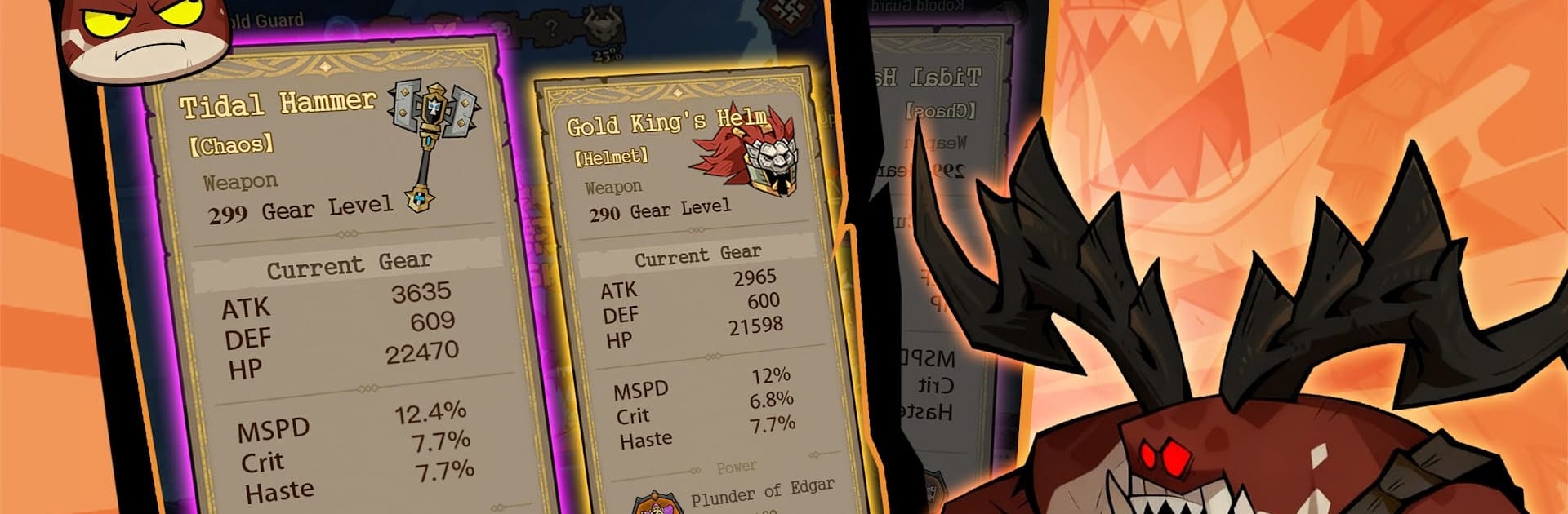
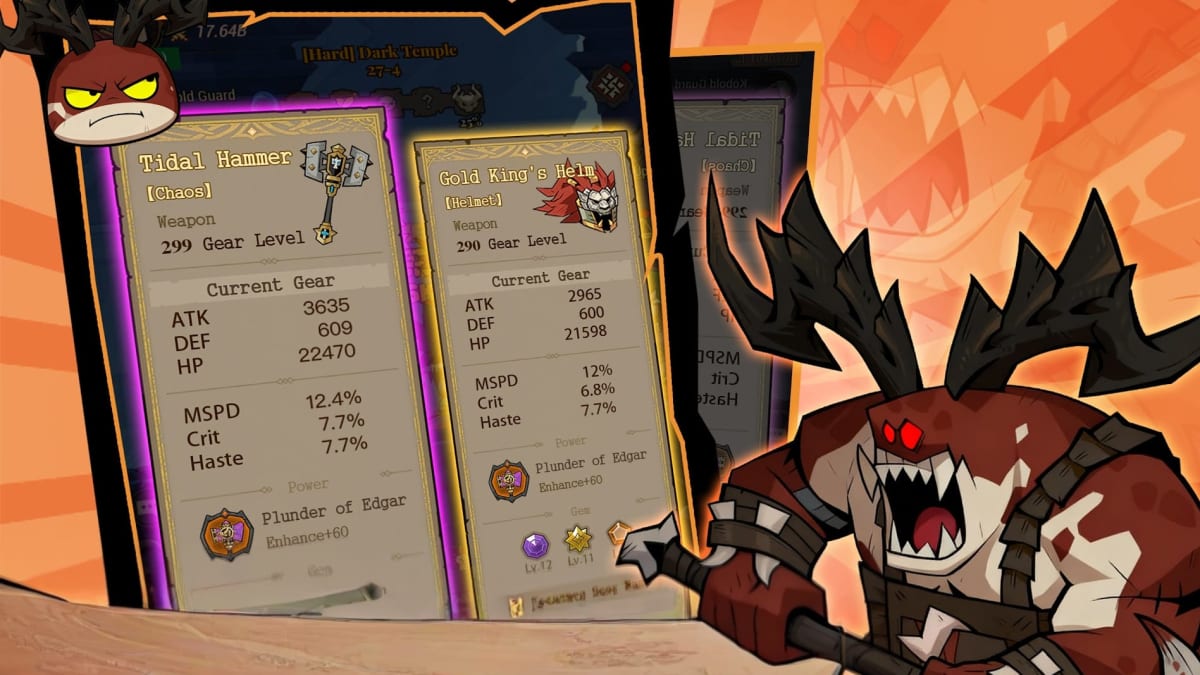
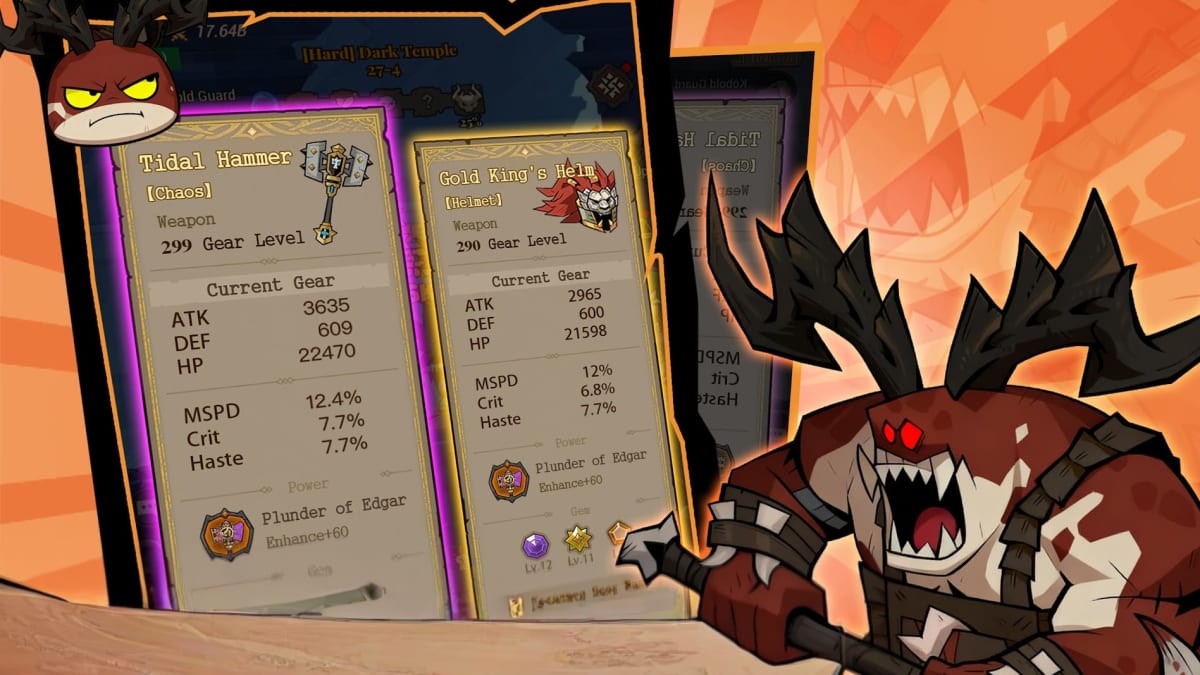
Gear and equipment is the backbone of every build in Lootfiend, and managing it correctly is far more important than hoarding items.

In the early game, your main objective is simple: equip upgrades as soon as they drop. The stat difference between tiers matters far more than trying to force a specific bonus. Recycling outdated equipment is essential, since recycled gear fuels the systems that improve future loot quality.
As you progress, the focus shifts toward gear with synergistic stats that enhance your core skills. Rather than spreading upgrades across multiple items, it’s more effective to empower a small set of key pieces that align with your main damage skill. This approach lets you scale faster without burning resources inefficiently.
Skill Selection and Early Build Direction
Skills in Lootfiend define how your character deals damage, but they are most effective when supported by the right stats and sidekicks.

Early on, it’s best to stick with skills that offer consistent damage or utility rather than situational effects. Swapping skills just because something new unlocked is often a mistake; instead, evaluate whether the new skill actually complements your current setup. If the game doesn’t explicitly require you to upgrade or replace an skill yet, it’s usually safe to wait.
As you unlock more slots, your build naturally opens up. At that point, mixing offensive skills with control or defensive options creates a smoother combat flow, especially during boss fights.
Sidekicks and Survivability
Sidekicks play a crucial role in stabilizing your build, especially in tougher encounters. They absorb damage, hold enemy attention, and reduce pressure on your main character, allowing your skills to fire more consistently.

A reliable sidekick makes aggressive builds far safer, since enemies split their focus instead of overwhelming you. This is particularly noticeable during boss encounters, where the sidekick can mitigate single-target damage spikes that would otherwise stall your progress.
Rather than constantly swapping sidekicks, it’s usually better to invest in one that complements your damage type or survivability needs and let it scale alongside your main character.
Blessing Levels
Blessing Level is one of the most important progression systems in Lootfiend, yet it’s easy to mismanage. Raising your Blessing early directly improves loot quality, which in turn accelerates every other part of your build.

For the first stretch of the game, prioritizing Blessing progression over aggressive resource spending leads to better long-term results. This means being selective with auto-gathering options and avoiding systems that drain premium resources too early.
Once your Blessing reaches higher levels, you’ll notice gear upgrades becoming more frequent and impactful, making it much easier to refine your build without excessive grinding.
Honor Title and Character Level Scaling
Your Honor Title is tightly linked to character level progression, and ignoring it can cause unnecessary confusion. If your character seems stuck or underpowered, it’s often because your Honor Title hasn’t advanced yet.

Keeping Honor upgrades aligned with your Blessing progression ensures that your build continues scaling naturally. This alignment prevents situations where your gear improves but your character level lags behind, reducing overall effectiveness.
PvE, Bossing, and Long-Term Build Growth
Once your main systems are in place, modes like boss fights and Chaos Ranch become valuable ways to test and refine your build. These activities are most efficient when tackled during downtime rather than forced early.

At higher levels, successful builds tend to focus on reinforcing one or two primary mechanics instead of spreading upgrades thin. Whether that’s crit scaling, sustained damage, or survivability, specialization is what carries builds through endgame content.
Lootfiend:Idle Dungeons rewards patience, smart planning, and focused builds far more than constant micromanagement. By prioritizing Blessing Level, managing gear upgrades carefully, and letting your build grow organically, you’ll avoid most early-game pitfalls and progress smoothly into tougher content.
Playing Lootfiend:Idle Dungeons on BlueStacks makes managing builds even easier, thanks to better performance, clearer UI, and the convenience of handling upgrades and gear rolls on a larger screen. If you’re planning to invest time into refining your build, PC play offers a noticeably smoother experience.