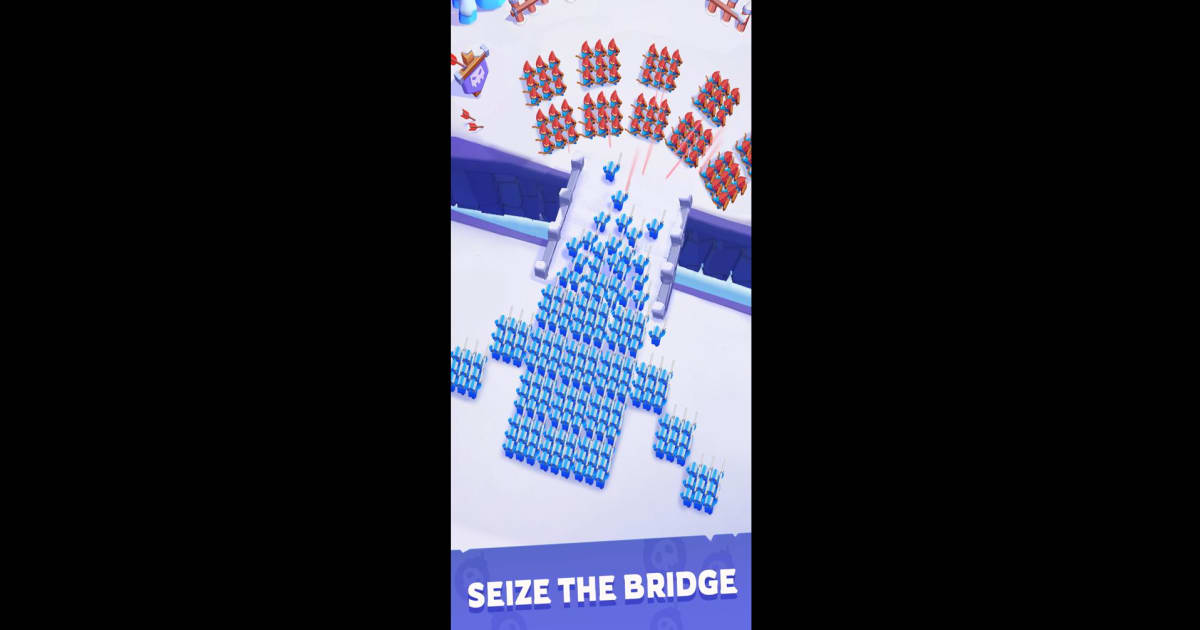
War Inc: Rising is a strategic tower‑defense battler where you assemble squads of blocky troops, merge and upgrade them, and tackle a mix of PvE and PvP modes ranging from story stages to intense co‑op and seasonal arenas. The game looks simple at first, but each mode leans on the same fundamentals: building a balanced line‑up, understanding how waves behave, and spending your currencies carefully so you do not stall in the mid‑game.
Troops, Roles, and Basic Formations
Troops are the foundation of your account, and each one is defined by rarity, preferred position (front, mid, or back row), damage pattern (single or area), and tags such as Toughness, Control, or Buff. Early units cover all the classic archetypes: Swordsman and Berserker are durable melee front‑liners, Archer and Forest Scout provide long‑range physical damage from the back row, Snowball‑style casters specialise in slowing enemies, and higher‑rarity units like Oracle and Ghost Assassin bring powerful buffs and area damage once you unlock them.
The game also gives you a heatmap overlay that colours tiles based on damage, toughness, or control potential, making it easier to see where each troop should stand. In the early game you do not need anything fancy; a straightforward formation already carries you through the first chapters if you respect roles and tile strength.
Use this simple structure as your starting point:
Front row: One primary tank (Swordsman or Berserker) on the toughest tile, occasionally supported by a second melee unit on another high‑toughness spot.
Back and mid rows: Two ranged damage dealers (for example Archer and Forest Scout) on the best damage tiles, plus one support/control unit such as a slowing caster or Oracle to stall or buff waves as they reach your front line.
As you pull stronger units, drop them into the same roles instead of reinventing your entire layout. That way, your muscle memory for positioning still applies while your overall stats climb.
Merging, Upgrading, and Resource Management
Inside battles, War Inc: Rising revolves around recruiting extra copies of your troops and merging identical ones to create stronger versions that occupy a single tile. A merged unit is much more efficient than several un‑merged copies, so it is usually better to consolidate power than to flood the board with low‑rank troops. Learning when to merge versus when to recruit more bodies is one of the key skills that separates casual players from those who push very high waves.
Outside of matches you spend coins and other materials to level up units permanently, improving their base stats and skills. It is almost always more efficient to push a handful of core troops several levels ahead than to level every new unit a little bit, especially while your resources are limited. Most beginners do well by prioritising one main frontliner, one or two high‑impact damage dealers, and a crucial support like Oracle, then worrying about niche units later.
Progression uses several currencies. Coins and logs (or similar materials) drop from Adventure stages, quests, and some events, and they pay for troop upgrades. Gems are the premium currency used for high‑tier chests, special packs, and some refills, while Battle Pass points and seasonal tokens move you along dedicated reward tracks.
Adventure Mode: Campaign and Early Progress
Adventure is the main PvE campaign and the first major mode you will play. Each stage shows a power comparison between your current squad and the incoming waves, then sends enemies along fixed paths towards your base while your troops attack automatically based on their positions and roles. Clearing stages awards coins, materials, and sometimes troop cards, and it also unlocks features such as new modes and higher difficulties as your account level rises.
The first chapters double as a tutorial, but there are still a few habits worth cementing. You should watch which waves cause trouble, then adjust formation rather than brute‑forcing everything through upgrades; flying or fast enemies usually demand better slows or more back‑row coverage, while thick melee waves punish weak or under‑supported tanks. Three‑star clears give the best rewards, so repeating a stage after a small round of upgrades is often more efficient than pushing forward with messy one‑star wins. When you hit a wall, stepping back to farm a slightly earlier chapter for coins and logs is completely normal and often faster than banging your head against a stage your current roster cannot yet handle.
Co‑op Mode: Survive Waves with Allies
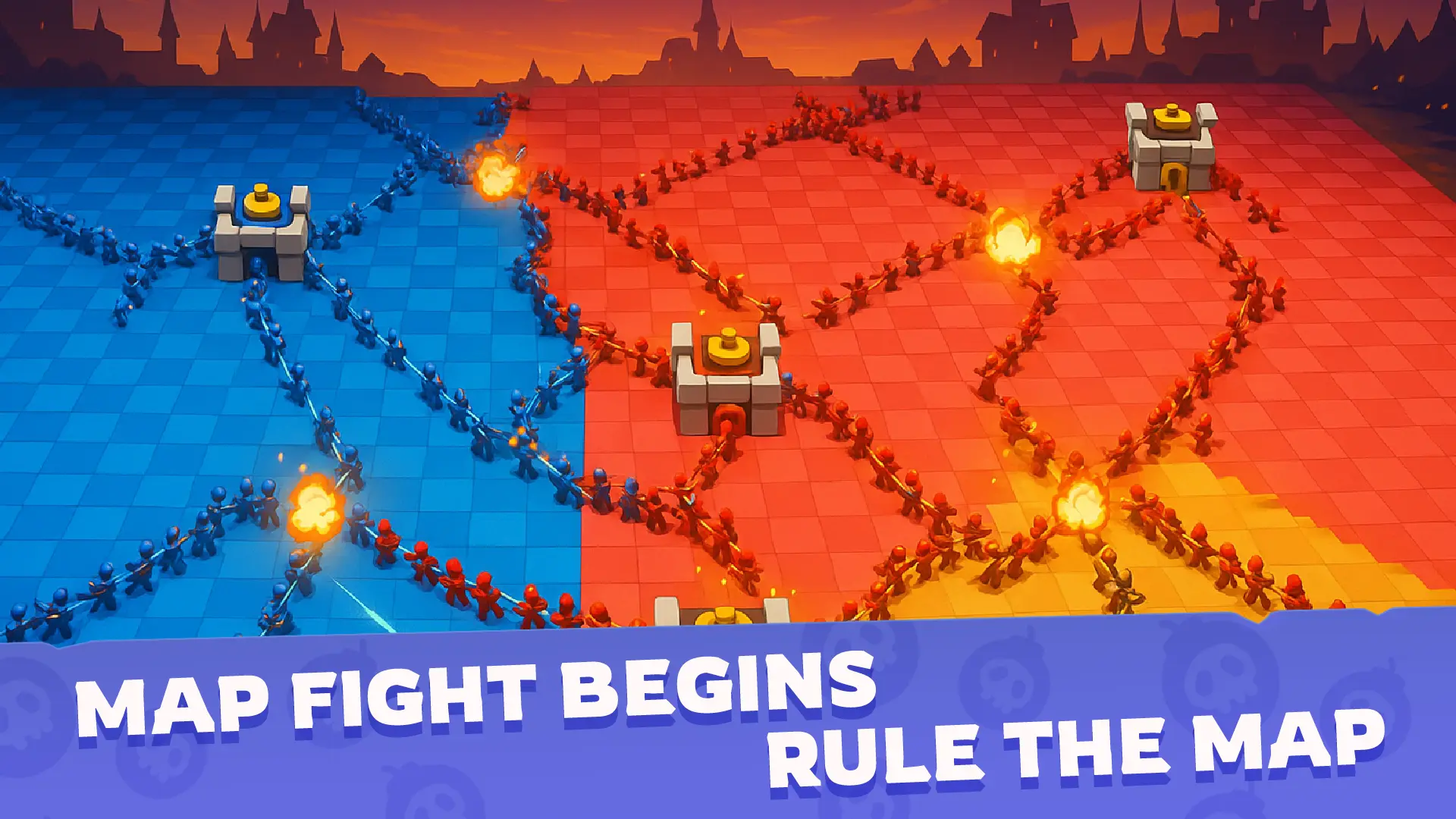
Co‑op is the headline mode for many players, and it plays quite differently from campaign stages. Two players share a single wave counter but build troops on mirrored halves of a large arena, using an in‑match currency to recruit, merge, and upgrade their forces in real time. The goal is to survive as many waves as possible in a single run, with later waves spawning tougher enemies at a faster pace.
Your decisions in Co‑op revolve around tempo. You gain currency each wave and by killing enemies, and you can spend it either on recruiting more units to immediately shore up your defence, merging to boost the strength of existing units, or upgrading global troop levels so every new recruit enters stronger. Beginner‑oriented guides recommend picking a main carry—often a potent DPS unit or Oracle—and investing early upgrades there so at least one troop on your board always outpaces the wave scaling. Tanks should again sit near lane entrances, with slows and area damage positioned a little further in so they hit clumped enemies.
Co‑op has its own seasonal ladder that records the highest wave you have reached and pays out generous rewards when you cross certain thresholds, such as extra gold, gems, and chests at mid‑ and high‑wave milestones. That format encourages a few long, focused attempts rather than dozens of half‑hearted runs that end early.
Arena: Competitive PvP Seasons
Arena mode takes the same troop and merging mechanics and puts them into a competitive context. You queue into matches against other players, deploy troops on mirrored boards, and try to outlast your opponent as waves build up intensity. Each win grants trophies that place you in both a smaller group ranking and a wider global leaderboard for the current season, and there are rewards tied to your final position.
Jumping into Arena too early can be discouraging, because match‑making will happily pair you with opponents who have poured far more resources into their rosters. A safer approach is to first establish a strong campaign and co‑op line‑up, push a few key troops several levels ahead, and only then treat Arena as the place to test whether your formation and decision‑making hold up under pressure. Starter PvP line‑ups usually resemble PvE ones—one tank, two ranged damage units, one support—with the main difference being that rarer units such as Ghost Assassin and Oracle become increasingly common at higher trophy ranges and tend to dominate the meta.
Since matches cost energy and streaks of losses can be demoralising, it is wise to play Arena in short sessions, back out when you are tilted or clearly under‑powered, and return later after strengthening the troops that consistently underperform in your matches.
Extra Modes and Events: Hunting, Infinite, and Drills
Beyond the main trio of Adventure, Co‑op, and Arena, War Inc: Rising gradually unlocks additional PvE modes that give you more ways to earn resources and test line‑ups.
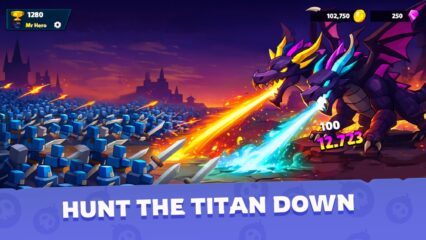
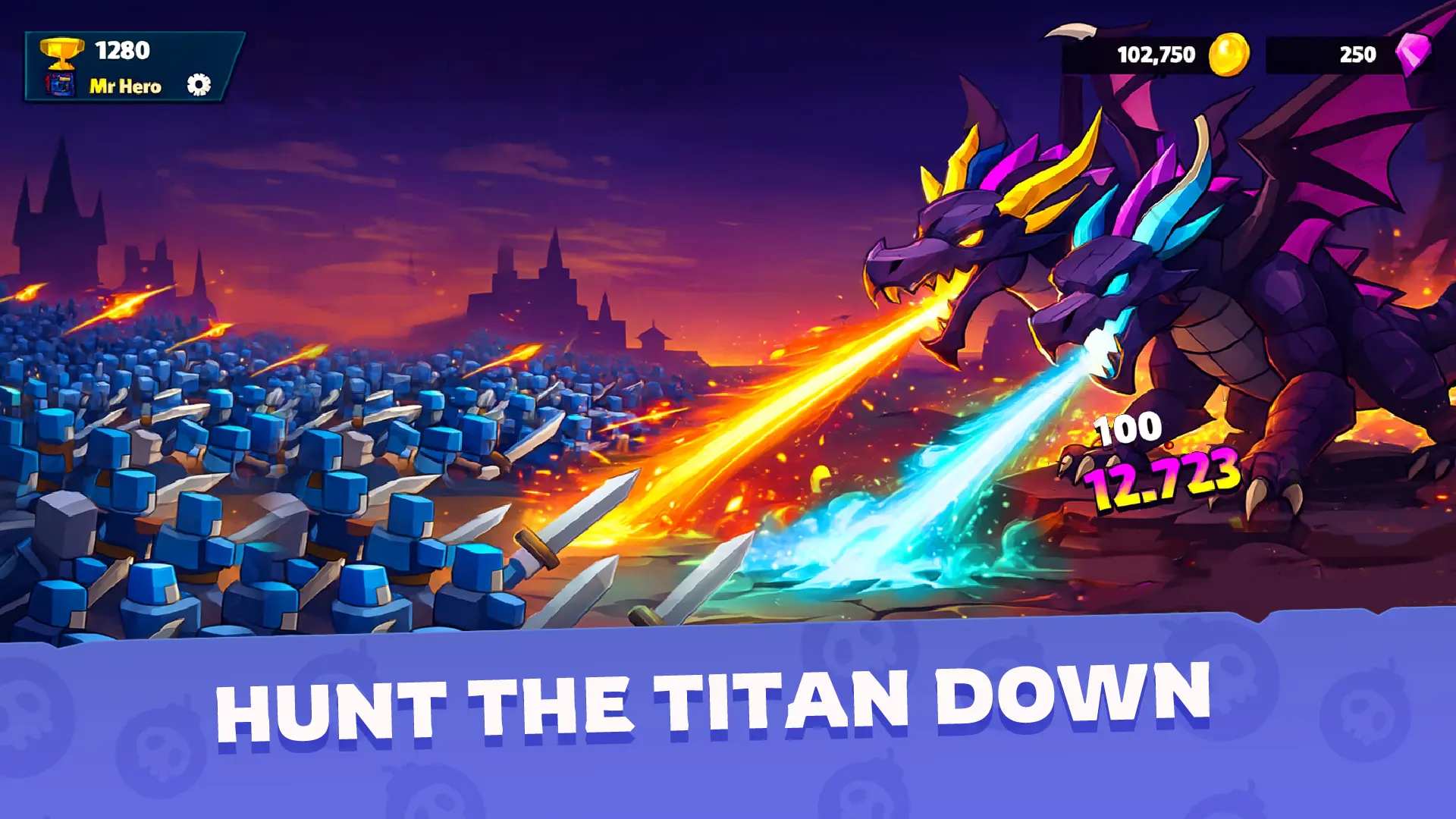
Hunting modes typically revolve around fighting powerful bosses or specialised enemy sets with unique mechanics, rewarding targeted upgrade materials or currency when you defeat or survive against them. Infinite‑style modes extend the wave‑based gameplay into endurance runs where the difficulty scales endlessly until your formation collapses, and they often feed into high‑score or leaderboard systems that reset with new seasons or events. Battle drills or similar late‑game features appear as higher‑level unlocks, offering challenging scenarios designed to teach or test advanced strategies once your account has reached certain thresholds.
These modes are not mandatory for basic progression, but they become worth your time as soon as they open because they layer extra rewards on top of your daily routine. A typical mid‑game day for active players includes a loop through Adventure, several Co‑op runs, a handful of Arena matches, and whatever hunting or infinite formats are currently active, with event missions tying them together into a single checklist.
The major modes in the game are:
Adventure: Main campaign, story stages, and core source of coins, materials, and early troop unlocks; ideal for learning layouts and farming upgrades.
Co‑op and Arena: Long‑term pillars—Co‑op for cooperative wave endurance with seasonal wave‑based rewards, Arena for competitive PvP seasons and trophy rankings—supplemented by rotating modes like Hunting, Infinite War–style waves, and advanced drills for specialised loot and extra challenges.
Events and the Battle Pass cut across all of these, giving you additional rewards for tasks such as spending energy, defeating a certain number of enemies, or winning matches in specific modes. Keeping an eye on those objectives lets you double‑dip rewards for actions you were already planning to take.
War Inc: Rising builds a surprising amount of depth out of a simple idea: drop troops on tiles, merge them, and hold out against increasingly dangerous waves. Once you understand how roles, heatmaps, and merging interact, all of the major modes—Adventure, Co‑op, Arena, and the various hunting and infinite formats—start to feel like variations on the same clear language rather than separate games. Focus on a balanced core team, upgrade and merge that core before anything else, use Co‑op and events to fuel your resource needs, and treat Arena and higher‑end modes as places to prove that your decisions were sound. For the best gaming experience, play War Inc: Rising on BlueStacks!
What is the best way to start progressing in War Inc: Rising?
Push through the early Adventure chapters to unlock core troops and modes, complete beginner quests and event tasks for extra resources, and establish a simple formation with one tank, two ranged damage dealers, and one utility unit before worrying about Arena rankings.
How important is merging compared to regular upgrading in War Inc: Rising?
Merging is crucial because a merged unit represents the power of several copies while occupying only one tile, and combining it with targeted level‑ups on a few key troops produces far stronger results than spreading upgrades across many un‑merged units.
Which game modes should a beginner prioritise daily?
Beginners get the most value from clearing or farming Adventure stages, running a few focused Co‑op sessions to push wave milestones, and then spending remaining energy on Arena and any active hunting or infinite modes that offer rewards tied to current events.
How can I avoid hitting a hard paywall in War Inc: Rising?
You can ease the grind by claiming all free and ad‑based chests, using Co‑op and events for high‑value rewards, upgrading a small group of core troops instead of your whole roster, and saving gems for guaranteed or high‑rate banners rather than low‑odds impulse purchases.
Is it worth playing War Inc: Rising on PC with BlueStacks instead of only on a phone?
Many players find it worthwhile because the larger screen and mouse controls make precise tile placement and merging easier, and the ability to keep the game open on a desktop fits well with long co‑op runs and event grinding.