
Whiteout Survival State Rules: Why You Got a Negative Title & Solution


A negative title in Whiteout Survival often feels like a public accusation, especially when you do not know what you did wrong. To handle it effectively, you need to understand how state rules actually work, who controls titles and what options you have if you disagree with the punishment.
How State Rules and Titles Really Work
Whiteout Survival gives each state a president after the Sunfire Castle and State of Power cycles begin, and that president can assign both buffing and punishing titles to any player in the state. Positive titles provide significant bonuses to stats such as troop attack, building speed or gathering, while negative titles apply debuffs that weaken your account in combat or other activities.
The crucial detail is that the game itself does not define fixed “state rules.” Instead, each state’s leadership writes its own rules that sit on top of the built in systems. These rules are usually shared in state chat, Discord servers, Facebook groups or mail and cover topics like NAP levels, when you can hit who, how SVS should be played and what punishments look like. Because these rules are player made, two different states can treat the same behavior in completely different ways.

Common Reasons You Received a Negative Title
Most negative titles come from a predictable set of situations, even though the exact wording varies from state to state. A typical reason is breaking the local NAP (Non Aggression Pact), for example attacking bases or farms above the allowed HQ level, hitting agreed safe alliances or ignoring a nap time that is meant to protect weaker players.
Another frequent trigger is ignoring instructions during big state events. Some states expect everyone to follow strict rules during State of Power and Sunfire Castle battles and will punish players who sabotage objectives, hit their own state during prep or deliberately feed points to the enemy. Negative titles also appear when someone repeatedly zeroes weaker players outside any war context, when chat behavior becomes abusive or when a player openly challenges leadership in ways that the ruling group considers unacceptable.
In certain states, politics matter as much as rules. If one dominant alliance or president controls the castle for a long time, titles may also be used to pressure rival alliances, silence criticism or punish people who refuse to follow the leadership’s preferred strategy. In that situation, you can end up with a negative title even if you technically followed the written rules.
How to Confirm Why You Were Targeted
When you wake up with a negative title, the first step is to confirm whether you actually broke a rule or were pulled into a political conflict.
You can do this by:
- Checking any pinned “state rules” messages in state chat, Discord or alliance announcements.
- Looking for recent mails from the president, state council or alliance leaders explaining punishments or rule changes.
- Asking your R4s or alliance leader if they know the specific rule you are accused of breaking.
- Politely messaging the title giver (often the president or a top alliance leader) and asking for a clear explanation.
If there is no written rule or explanation anywhere, that is a strong sign that the title is being used personally rather than as part of transparent state governance.
What a Negative Title Actually Does to Your Account
Punishment titles are not just cosmetic; they apply concrete debuffs that weaken your account. These can reduce your troop attack, defense, health, marching capacity or other critical stats, which directly impacts your performance in rallies, garrisons, open field fights and even some PvE modes.
For an average player, the biggest effect is that it becomes much harder to contribute effectively during State of Power, castle fights or alliance wars, because your troops underperform compared to others at similar power. For top players and rally leaders, a negative title can temporarily remove you from key roles because alliances usually prefer to give crucial marches to players with full buffs and no debuffs.
There is also a social impact. When other players see a negative title, many assume you did something serious even if they do not know the details, and that can shape your reputation in that state and potentially in transfer discussions later. That is why it is important to respond strategically rather than emotionally.
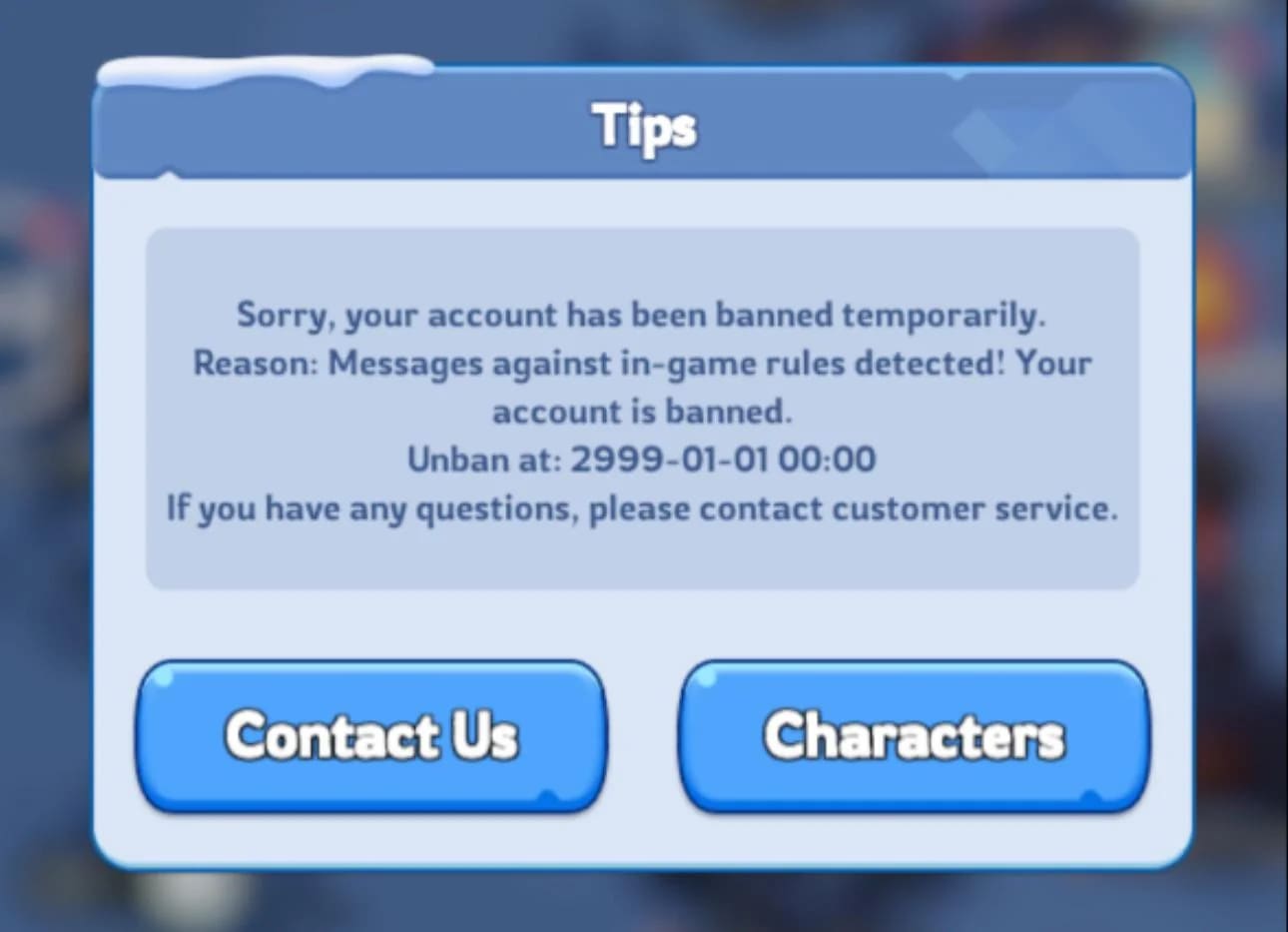
Immediate Steps to Limit the Damage
The first priority is to avoid making the situation worse. Emotional reactions in world chat, threats or revenge attacks often give leadership more justification to maintain or repeat the punishment. Taking a short pause before responding helps.
A practical sequence is to stop any risky behavior, gather information and then communicate clearly. Check attack logs and battle reports so you remember what actually happened, then compare that with written rules to see whether you missed something. Once you know the facts, send a brief message to your alliance leadership and, if needed, to the president, acknowledging any legitimate mistakes and asking how to resolve the issue.
If you genuinely broke a rule, stating that you understand it now and will follow it going forward usually works better than debating the rule itself. If the problem was misunderstanding, explaining your side calmly and offering to adjust your behavior in future events shows that you are trying to cooperate rather than fight leadership.
When Moving States Becomes the Best Solution
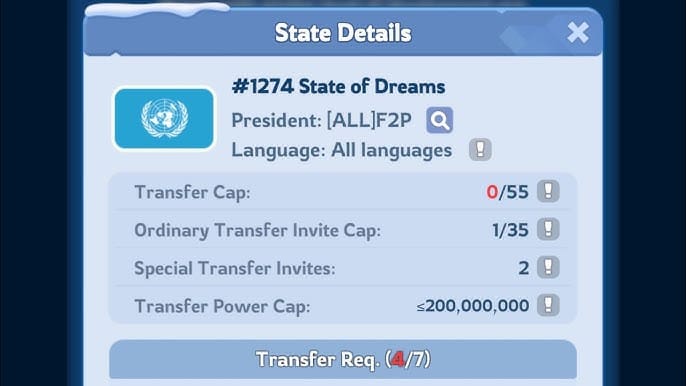
Whiteout Survival includes a full state transfer system with scheduled transfer windows, eligibility checks and power based restrictions. You need to meet conditions such as having a compatible hero generation and Fire Crystal level with the destination state, staying below power caps set by that state and respecting transfer cooldowns between moves.
If you feel stuck under unfair leadership, a negative title can be a signal that it is time to leave rather than a problem you must tolerate forever. Before moving, you can research other states by reading public discussions, community posts and recruitment messages to see how they describe their rules and leadership style. It is usually better to talk to alliances in the target state before you transfer so you know what they expect and how they handle titles and punishments.
Moving with friends or your alliance, when possible, makes adjustment much easier and gives you more weight in the new state’s politics. If you transfer alone, being transparent about why you left your old state and showing that you respect written rules will help you avoid being labeled as trouble by default.
Negative titles in Whiteout Survival are a tool controlled by state leadership, layered on top of player made rules rather than automated by the game. By understanding those rules, calmly confirming why you were targeted, choosing between repairing relationships or planning a transfer and protecting your reputation along the way, you can turn a negative title from a crisis into a manageable step in your long term journey through different states. For the best gaming experience, play Whiteout Survival on BlueStacks!